Waste segregation at the source simply means sorting your waste at the moment and place it is created, instead of throwing everything into one common bin. In practical terms, this usually looks like a three-bin system:
- Wet or biodegradable waste (food scraps, peels, cooked food, garden clippings).
- Dry or recyclable waste (paper, cardboard, plastics, metals, glass, textiles).
- Domestic hazardous/sanitary waste (batteries, bulbs, paint containers, medicines, diapers, sanitary pads).
Many national and city-level rules now actually mandate this three-way segregation for all bulk generators and households because it is the backbone of modern solid-waste management. Segregation at the source is very different from mechanical sorting at a landfill or transfer station: it preserves the “quality” of each waste stream instead of trying to recover value from one big, dirty mix later.
Why is source segregation so important?
- It makes recycling and composting actually work
When waste is segregated at the source, dry recyclables remain clean and dry, and organic waste remains uncontaminated. This allows:
- High-quality recycling of paper, cardboard, metals, and many plastics.
- Efficient composting or biomethanation of wet waste, producing soil-enriching compost and renewable biogas instead of methane emissions at dumpsites.
Studies and model frameworks show that with good three-way segregation and decentralised processing, more than 90% of municipal solid waste by weight can be recycled, composted, or co-processed, leaving only a small fraction for landfilling. Without segregation, contamination means that even technically recyclable materials are often rejected and end up in landfills or incinerators.
- It cuts landfill use, pollution, and greenhouse gases
Mixed waste going to dumpsites is one of the largest sources of methane, a greenhouse gas far more potent than carbon dioxide over the short term. Source segregation dramatically reduces the volume of mixed waste reaching landfills because organics are handled locally and recyclables are captured upstream.
Policy analyses in India and other countries highlight that source segregation extends landfill life, reduces the need for new landfill land, and lowers the capital and operating costs associated with large secondary-segregation facilities. By diverting organic fractions to composting and biogas, cities can significantly cut leachate generation and odour, improving local air and water quality.
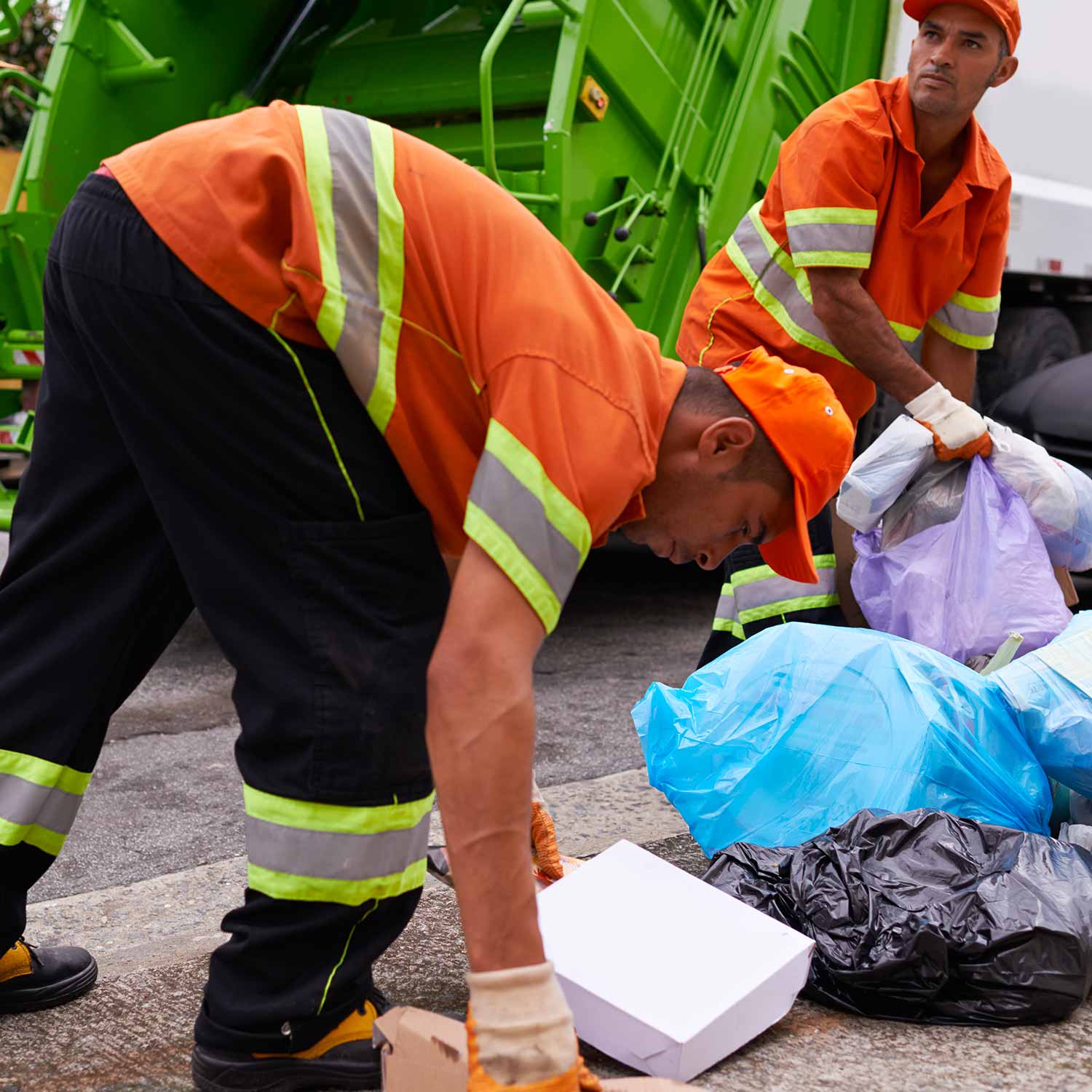
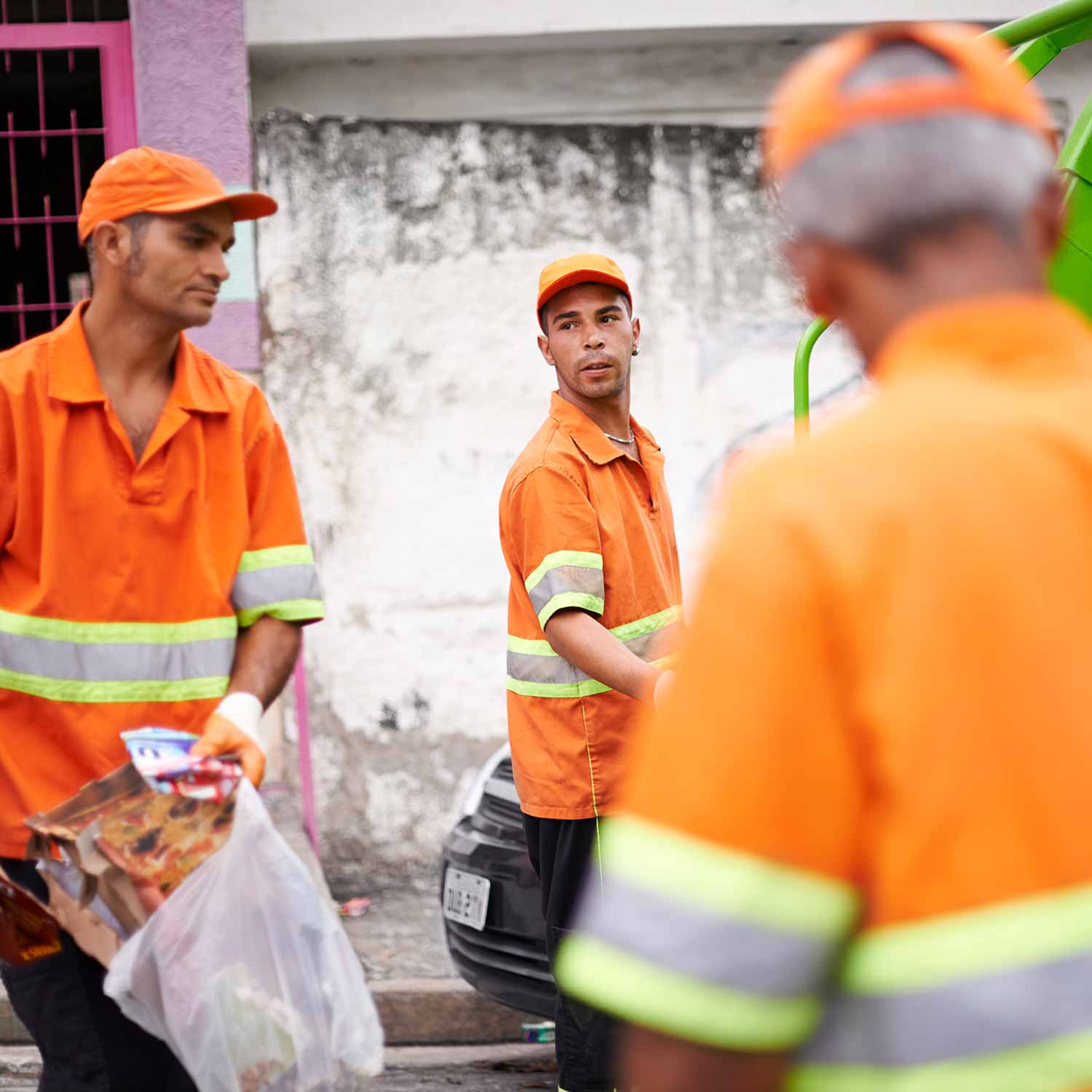
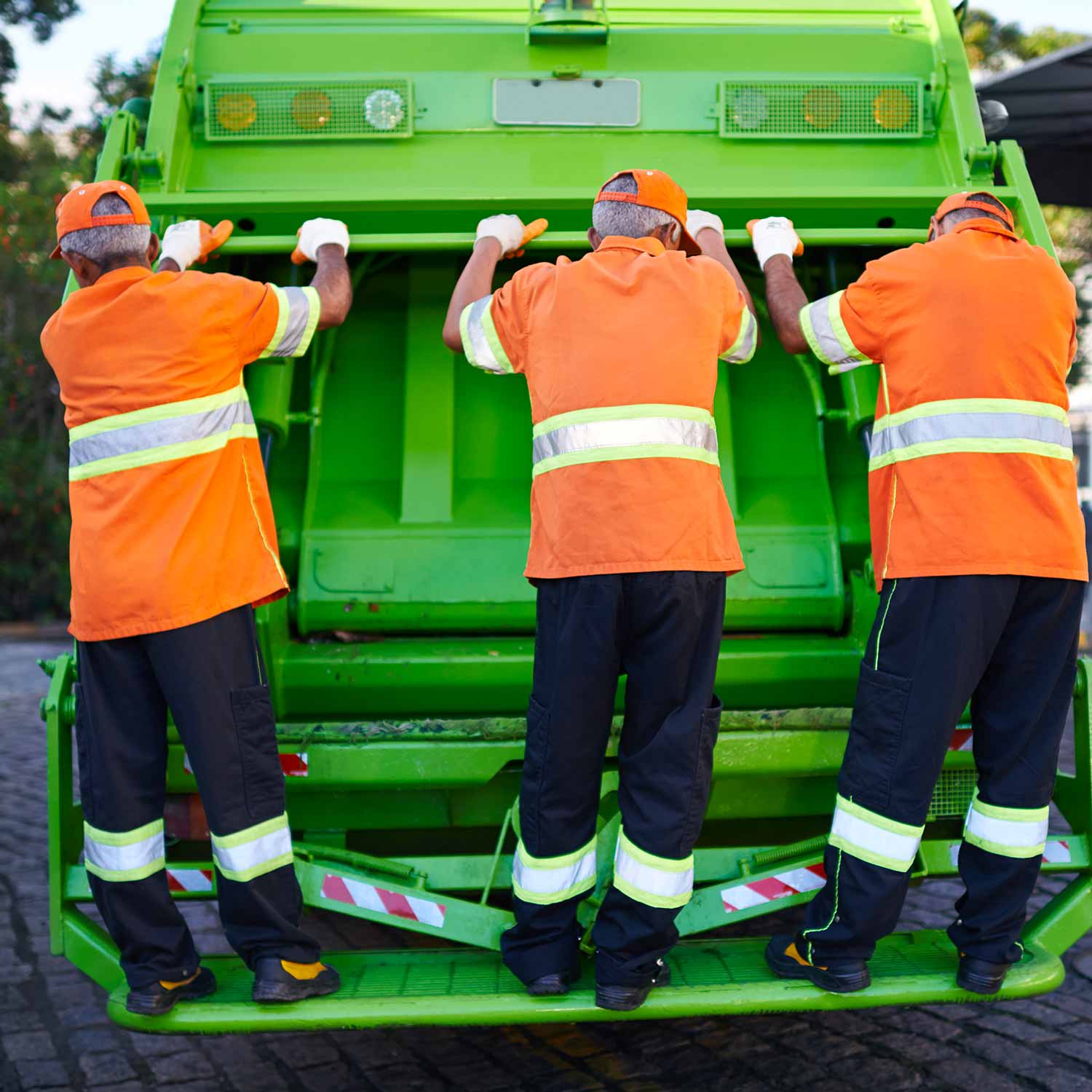
- It protects the health and dignity of waste workers
When hazardous waste, such as batteries, sharps, chemicals, sanitary waste, and medical waste, is mixed with general garbage, frontline workers face serious risks: cuts, infections, toxic exposure, and long-term health impacts. Proper source segregation:
- Keeps hazardous fractions separate from recyclables and wet waste.
- Reduces manual handling of dangerous items by informal and formal waste workers.
- Improves working conditions in Material Recovery Facilities (MRFs) and transfer stations.
Guidelines from Swachh Bharat and other national missions explicitly link source segregation with the protection and professionalisation of sanitation workers and waste pickers.
- It optimises municipal systems and reduces costs
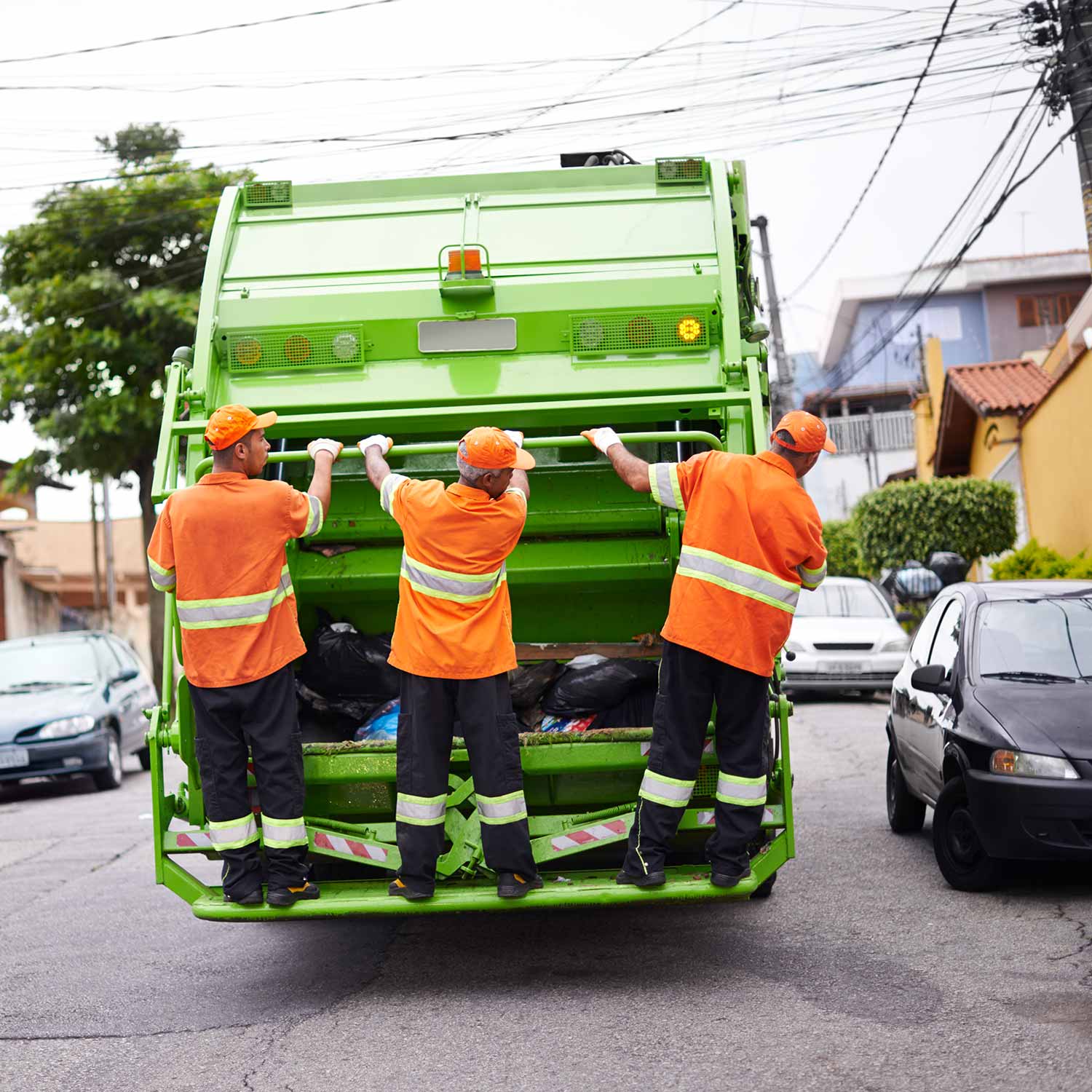
Source-segregated waste is easier and cheaper to manage because each stream can follow a dedicated route:
- Wet waste can be collected and sent to nearby composting yards or biogas plants.
- Dry waste can go to MRFs for sorting into high-value recyclable fractions.
- Hazardous or residual waste can be routed to appropriate treatment or engineered landfills.
Policy documents point out that this “front-end intelligence” reduces the need for expensive downstream segregation technologies, lowers fuel consumption in collection, and improves utilisation of municipal machinery and staff. Municipalities can even earn revenue from the sale of compost and recyclables, partially offsetting system costs.
- It drives a circular economy and citizen behaviour change
Segregation at source is the citizen-level entry point into the circular economy. By sorting their waste daily, people see its material value and become more conscious about:
- How much waste they generate.
- Choosing products with better recyclability and less packaging.
- Supporting local compost, biogas, and recycling markets.
National behaviour-change frameworks emphasise education, nudges, and incentives—such as three-bin systems, door-to-door communication, fines for non-segregation, and rewards for compliant communities—to make segregation a social norm rather than a one-off campaign.
Practical steps to implement source segregation
For a practical, website-ready call-to-action, here are the essential steps for households and offices:
- Use three clearly labelled bins: green for wet/biodegradable, blue for dry/recyclables, and red (or your local mandated colour) for domestic hazardous and sanitary waste.
- Keep wet waste free of plastics and send it to composting or biogas units (home, community, or municipal).
- Keep dry waste clean and dry: empty, rinse, and flatten containers before placing them in the dry bin.
- Store hazardous items separately (batteries, bulbs, e-waste, medicines) and hand them only to authorised collection drives or facilities.
- Participate in local awareness programmes, RWA initiatives, school drives, and digital reporting tools that track segregation performance.